95%
First puff before 21
MOH’s June 2017 consultation reported 95% of smokers had their first puff before 21. This is historical evidence, not a current youth survey.
5 supporters backing Target 28
Target 28 is an independent proposal, not current law. The 2027–2033 schedule depends on official decisions; 2035 is a review aspiration, not a guaranteed outcome.
For decades, combustible tobacco has been treated as an unavoidable reality. It does not have to be. Target 28 is a Singapore-ready roadmap to raise the legal tobacco age from 21 to 28, starting on 1 July 2027 and then one year at a time, so youth addiction can be phased out before it begins.
If we can do 21, we can do 28. By 2035, Singapore can become the first generation where young people grow up legally protected from tobacco addiction—and every person has a stronger right to breathe clean air.
Need help today? Use the smoke concern planner or read our practical guides. No signature or account required.
The legal-age path
21
Today
22
2027
28
Target
2035
Youth smoke-free review target.
Private
Names and dates of birth are not publicised.
Target 28 proposes extending the phased-age approach. Its additional benefits, transition rules and implementation costs still need assessment.
The ask
Raise the tobacco legal age by one year every year from 2027 until it reaches 28.
The reason
Addiction overwhelmingly starts young. Prevention must happen before the first puff.
The protection
Second-hand smoke makes tobacco a public issue, not only a private habit.
The evidence question
Singapore's age-21 policy is established. Whether a further rise to 28 would work needs evaluation, not an assumed outcome.
Read the evidence and its limitsTarget 28
Singapore has already shown that a gradual tobacco-age increase is possible. The minimum legal age rose from 18 to 19, then 20, then 21. Target 28 takes the same method further from 1 July 2027: one additional year at a time, with support, public education, and clear enforcement.
The purpose is not to punish today’s smokers. The purpose is to prevent tomorrow’s smokers from being created.
A simple, public, annual pathway starting on 1 July 2027 that every retailer, resident, visitor, and enforcement officer can understand.
2027
Minimum legal age becomes 22 from 1 July.
2028
Minimum legal age becomes 23.
2029
Minimum legal age becomes 24.
2030
Minimum legal age becomes 25.
2031
Minimum legal age becomes 26.
2032
Minimum legal age becomes 27.
2033
Target 28 is reached.
2035
Formal review: youth smoke-free progress, enforcement, quit support, and next policy steps.
The heart of the proposal
Tobacco addiction is easiest to prevent before it starts. Target 28 gives Singapore a clean line: fewer first puffs, fewer regular smokers, fewer families harmed, and fewer non-smokers forced to breathe someone else’s smoke.
Why 28?
Target 28 is our proposed prevention threshold. Evidence about when people start smoking motivates the question, but does not prove that 28 is the best threshold for Singapore.
95%
MOH’s June 2017 consultation reported 95% of smokers had their first puff before 21. This is historical evidence, not a current youth survey.
83%
The same 2017 consultation reported 83% became regular smokers before 21. First experimentation and regular smoking are different measures.
99%
A U.S. Surgeon General fact sheet, last reviewed in 2017, reports 99% started by 26. This U.S. context is not a Singapore estimate or a test of age 28.
Read the policy choices and evidence limits, including the difference between a capped age increase and a permanent birth-year restriction.
The additional effect of moving from 21 to 28 needs assessment alongside social supply, enforcement, fairness and quit support. Our Blueprint explains the choices and a proposed evaluation framework.
The proposed threshold reaches 28 in 2033 if adopted. A 2035 review would examine initiation, exposure, support and unintended effects. It would not assume that the schedule itself guarantees a smoke-free generation.
Public harm, public responsibility
The smoker chooses the cigarette. The child in the lift lobby, the diner at the next table, the pregnant commuter at the bus stop, the neighbour at the corridor, and the cleaner at the smoking corner do not choose the smoke.
That is why Target 28 has two equal goals: zero new addictions and zero second-hand smoke.
Second-hand smoke is proven to cause serious cardiovascular and respiratory diseases, including coronary heart disease and lung cancer. WHO states there is no safe level of exposure to second-hand tobacco smoke.
Children
Children should not learn that smoking is a normal part of adult life in shared spaces.
Families
Parents should not have to plan their route around smoke hotspots.
Workers
Cleaners, service staff, security officers, and transport workers deserve cleaner working environments.
Neighbours
HDB corridors, void decks, common routes, and lift lobbies should not become smoke channels.
Singapore already prevents public harm
Singapore is willing to regulate conduct and products when they harm public health, cleanliness, safety, or order. Chewing gum, chewing tobacco, imitation tobacco products, vapes, and controlled drugs are already treated as prohibited or controlled at entry. Target 28 asks Singapore to apply the same prevention-first courage to combustible tobacco.
Cleanliness
Singapore already prevents public nuisance at the border and in public spaces.
Public hygiene
Public behaviour is regulated when it affects cleanliness and health.
Youth protection
Singapore has acted early against products that risk creating a new nicotine generation.
National safety
Prevention is already part of Singapore’s public-health and public-order identity.
The 2027–2035 roadmap
Target 28 is designed to be simple for the public, realistic for retailers, fair to current legal smokers, and reviewable by Parliament and the relevant public agencies.
2027
Start on 1 July with a clear one-year increase and nationwide public communication across retailers, schools, employers, hotels, and entry points.
2028–2032
Continue the annual rise, strengthen age checks, expand quit support, and reduce smoking visibility in shared spaces.
2033
The legal-age target is reached, creating a strong buffer beyond the age when almost all smokers have already started.
2035
Review youth initiation, daily smoking prevalence, second-hand smoke complaints, enforcement, and the next phase of smoke-free Singapore.
Singapore youth should not be entering adulthood with tobacco addiction. They should enter adulthood with clean-air expectations, strong health norms, and public spaces where smoking is no longer visible as an ordinary lifestyle.
Visitors, tourists and expats
Singapore is a global city. Millions of visitors, work-pass holders, students, and business travellers pass through our airport, hotels, offices, campuses, and attractions every year. Target 28 must therefore be clear at the border, clear at retail counters, clear at hotels, and clear in public spaces.
The principle is simple: while you are in Singapore, Singapore’s tobacco age applies to you. A person who is below the legal tobacco age for that year should not be able to buy, use, possess, receive, be supplied with, import for personal use, or enter any paid transitional smoke lounge for tobacco use in Singapore.
Target 28 age schedule
22+
2027
23+
2028
24+
2029
25+
2030
26+
2031
27+
2032
28+
2033 onward
2035
Youth review
Target 28 asks Singapore to apply the annual tobacco-age threshold uniformly. The first proposed threshold is 22+ from 1 July 2027; after that, every approved age check should answer the same question: has this person reached Singapore’s legal tobacco age this year?
1 · Before arrival
Airlines, travel pages, hotels, event organisers, universities, employers, and pass-holder onboarding should state the current Target 28 tobacco age in plain language. Visitors should know before packing that Singapore has no tobacco-age exemption for tourists.
2 · At the checkpoint
An eligible traveller who brings tobacco into Singapore must still comply with Singapore’s declaration, duty, GST, and standardised-packaging requirements. A traveller below that year’s tobacco age should not bring tobacco in for personal use.
3 · At retail counters
Retailers should check age using approved verification methods. Nationality should not matter. Singapore’s legal tobacco age should matter.
4 · During the stay
Visitors and expats who are above the legal tobacco age must still follow Singapore’s smoking-prohibition rules. Smoking belongs only in lawful smoking facilities or areas—not entrances, queues, transport stops, indoor public places, parks, beaches, schools, or family spaces where smoking is prohibited.
5 · In transitional lounges
If paid transitional smoke lounges are ever studied and approved, entry should require the same age check. No under-age visitor, pass holder, student, or resident should be admitted. Lounges must not sell tobacco or market smoking as a premium experience.
6 · For vaping and prohibited products
Target 28 does not soften Singapore’s position on vaporisers or imitation tobacco products. Visitors, expats, students, and workers should receive clear warnings that vaping products should not be brought into or used in Singapore.
How the proposal applies by group
Global lessons. Singapore model.
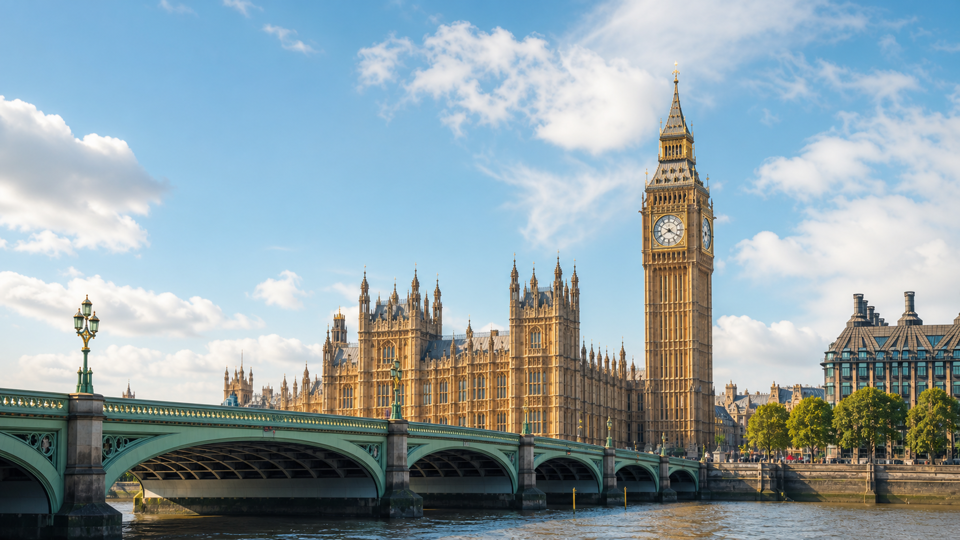
Smoke-free-generation policy is no longer theoretical. New Zealand became the first country to pass legislation designed to prevent future generations from being sold smoked tobacco. A later government repealed the generation-ban measures before they were fully implemented.
That did not prove the public-health idea had failed. It demonstrated a different lesson: bold reform must also be politically durable, clearly understood by the public, practical to implement, and strong enough to survive a change of government.
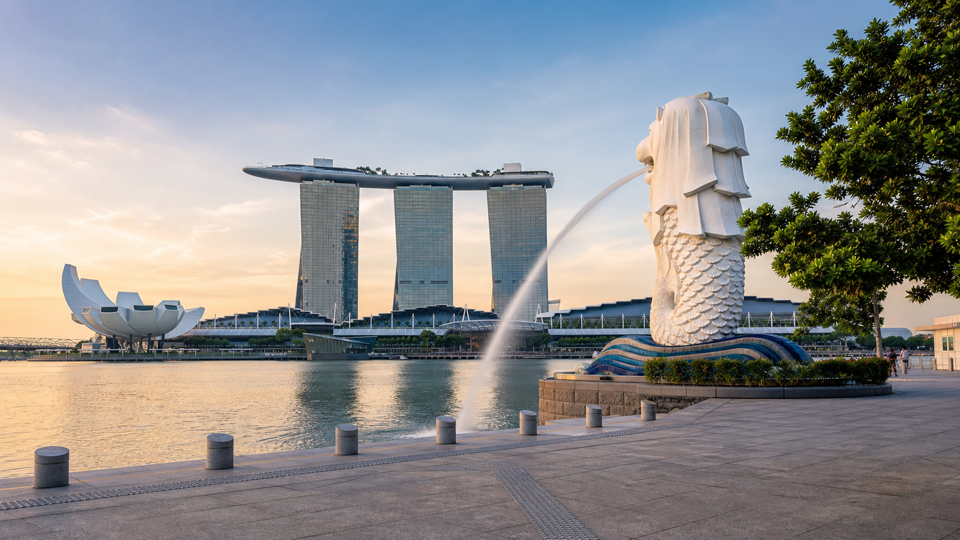
The United Kingdom has now carried the idea into national legislation. Its Tobacco and Vapes Act received Royal Assent on 29 April 2026 and includes a permanent birth-year tobacco-sales restriction for people born on or after 1 January 2009.
Singapore does not need to copy either country. We already have our own foundation. Singapore raised the legal tobacco age gradually from 18 to 19, then 20, then 21. Target 28 continues a method Singapore has already used: one year at a time, with a clear public schedule, retailer preparation, visitor guidance, enforcement, quit support, and formal review.

The first bold step
New Zealand passed world-leading reforms that included a generation-based restriction on smoked-tobacco sales, reduced nicotine requirements, and a major reduction in the number of tobacco retailers. A later government repealed those measures before their principal effects could be fully implemented and evaluated.
What Singapore should learn
Passing a bold law is only the beginning. Long-term reform needs lasting public understanding, implementation readiness, transparent communication, and enough political durability to survive a change of government.
Passed in 2022 · Repealed before full implementation
The national law
The Tobacco and Vapes Act received Royal Assent on 29 April 2026. It includes a prohibition on selling tobacco to anyone born on or after 1 January 2009, creating a birth-year rule that advances permanently with each generation.
What Singapore should learn
A prevention-first tobacco policy can become national law when the legal rule is clear, retailer duties are understood, enforcement powers are available, and the public-health purpose is communicated consistently.
Royal Assent received in 2026
The practical Target 28 model
Singapore raised the legal tobacco age from 18 to 19 in 2019, to 20 in 2020, and to 21 in 2021. Target 28 continues this familiar pathway from 1 July 2027, raising the age by one year annually until it reaches 28.
Singapore’s advantage
Target 28 uses a simple annual schedule, one clear rule for residents and visitors, retailer preparation, stronger quit support, public-space protection, transparent progress reporting, and a formal review by 2035.
Proposed Singapore pathway
Why Target 28 is different
Target 28 learns from international experience, but it is designed for Singapore’s laws, retailers, residents, visitors, public spaces, healthcare system, and enforcement environment.
It keeps the strongest global idea — prevent tobacco addiction before it begins — while using a gradual pathway Singapore has already shown it can administer.
One additional year at a time, allowing the public, retailers, visitors, and enforcement agencies to prepare.
The same annual legal-age threshold should apply clearly to citizens, Permanent Residents, expats, workers, students, tourists, and other visitors while they are in Singapore.
Current smokers are supported with dignity, lawful guidance, and stronger access to quit support.
A formal 2035 review can assess smoking initiation, enforcement, second-hand-smoke exposure, retailer compliance, and quit-support outcomes.
Bold like New Zealand. Durable like the United Kingdom. Practical like Singapore.
Target 28 combines international lessons with Singapore’s proven step-by-step approach. It is designed not only to pass, but to be understood, implemented, reviewed, and sustained.
SmokeFree.SG is an independent public-health campaign. These international examples are presented for policy comparison and do not imply endorsement by any government or public authority.
Support, not shame
Target 28 is firm on tobacco but respectful toward people. Many smokers started young. Many want to quit. Many do not want their children to start. A serious smoke-free plan must help smokers—not humiliate them.
Dignity
No public shaming. No treating smokers as enemies. Addiction is a health issue.
Quit help
Counselling, medication, and guided programmes can increase the chance of success.
Clear rules
Smokers need simple, visible, lawful guidance while Singapore transitions.
Less exposure
The public should not be exposed to smoke in daily spaces while smokers are supported to quit.
Zero second-hand smoke strategy
Until smoking prevalence falls further, remaining smoking must be contained without making smoking feel attractive, premium, or normal.
Free smoking points should be basic, outdoor, discreet, and placed away from children, queues, outdoor dining, entrances, schools, and main walking routes wherever possible.
Their purpose is compliance and containment—not comfort, branding, or socialising.
Paid smoke lounges, if studied and approved by the relevant authorities, should be transitional containment facilities—not lifestyle spaces. No tobacco sales. No glamour. No food or alcohol positioning. No youth access.
Any fees should support quit programmes, enforcement, cleaning, and public education.
WHAT WE PROTECT
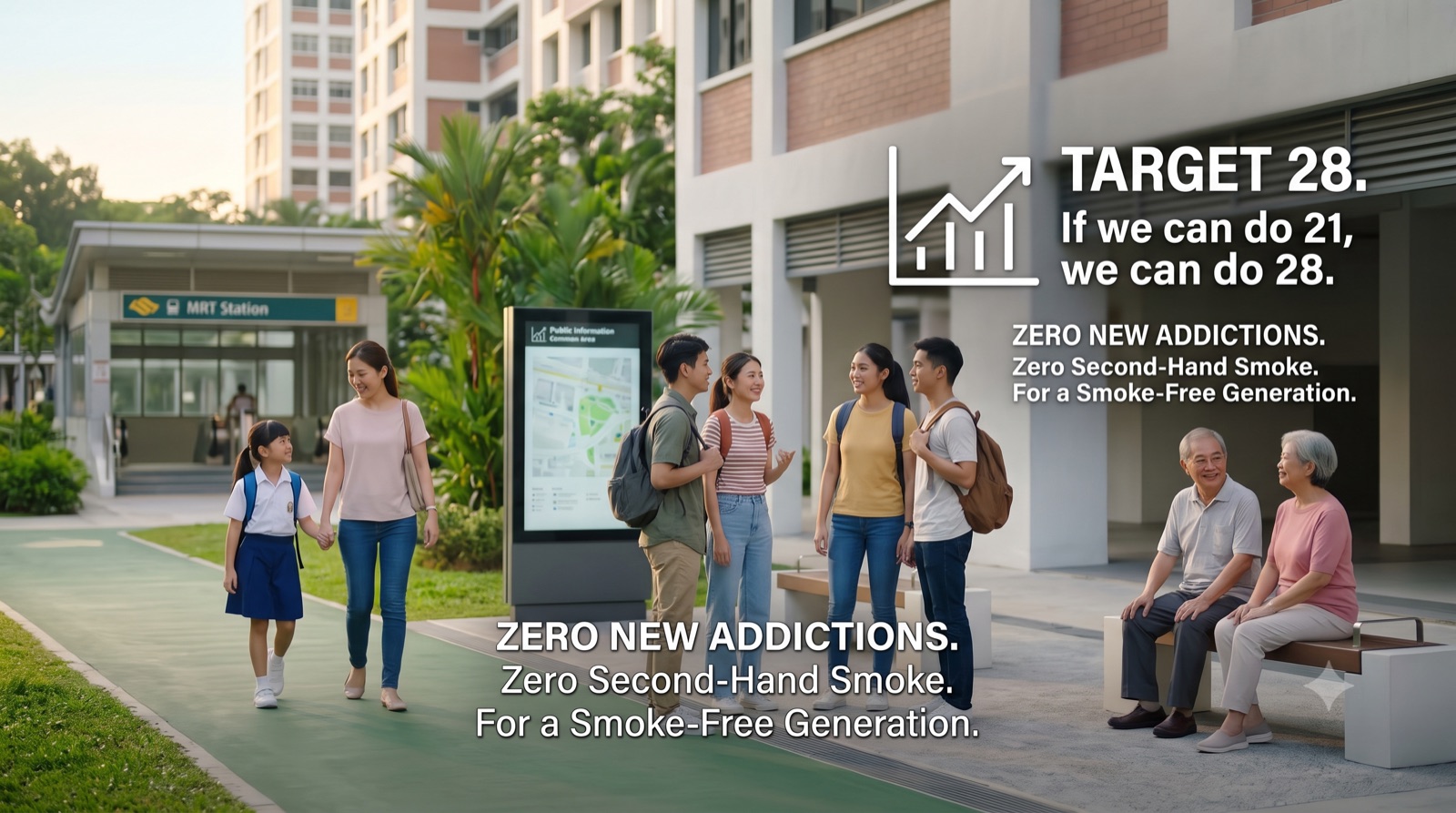
SmokeFree.SG is about the places we all share: neighbourhoods, estates, schools, workplaces, parks, public transport, food areas, queues, corridors, and walkways.
This campaign is not about blaming smokers or pushing people away. It is about preventing the next generation from entering tobacco addiction, supporting current smokers with dignity, and protecting everyone’s right to breathe clean air in daily public life.
CAMPAIGN INTRO
Target 28 is a practical public-health pathway for Singapore: raise the legal tobacco age gradually from 21 to 28, reduce second-hand smoke in shared spaces, and keep support for current smokers rooted in dignity.
No tobacco glamour. No smoking lifestyle. No public shaming. Just the Singapore we want to protect.
Prevent
Target 28 aims to delay initiation. Whether an extension beyond 21 delivers enough additional benefit is a question for evidence, consultation and evaluation.

Protect
Public spaces should work for everyone: children, seniors, commuters, workers, residents, visitors, and families who deserve clean air. Smoking is not only a private habit when other people breathe it.

Guide
The legal-age pathway must be simple for everyone to understand: residents, retailers, visitors, employers, hotels, schools, and enforcement officers. One Singapore rule. Clear from arrival to retail counter.
Public support
Every genuine signature strengthens the case for Singapore to consider raising the legal tobacco age gradually from 21 to 28.
Singapore Citizens and Permanent Residents aged 15 and above may sign.
Your personal details are never displayed publicly.
You may withdraw your support and sign again at any time.
Complete the form and verify your email. Only verified signatures are included in the supporter count.
Source-backed case
SmokeFree.SG links public claims to official or reputable sources. The policy case should be strong enough for citizens, MPs, Town Councils, healthcare professionals, and public agencies to review seriously.
MOH NPHS 2024
Historical NPHS 2024 figure: 8.4%. NPHS 2025 later reported 8.8%, described by MOH as stable. Read the Research page for the update.
MOH age evidence
First puff and regular-smoking evidence used to support MLA21.
Surgeon General
U.S. initiation context, last reviewed in 2017; not proof of an optimal Singapore threshold.
WHO tobacco facts
No safe level of second-hand tobacco smoke exposure.
HSA tobacco control
Minimum legal age, tobacco advertising restrictions, and vaping controls.
ICA prohibited goods
Chewing gum, chewing tobacco, imitation tobacco products, and controlled drugs.
Environmental Public Health Act
Public cleanliness offences, including littering and spitting in public places.
PDPC privacy guidance
Privacy guidance for minimising national-identification data collection and avoiding unnecessary NRIC use.
NEA smoke-free places
Smoking prohibition framework and lawful smoking areas.
Singapore Customs traveller rules
No duty-free concession or GST import relief for tobacco products; standardised packaging applies.
Singapore tourism data
Visitor scale matters when designing a smoke-free policy that is understandable at entry points and hotels.
FROM SINGAPORE TO THE WORLD
SmokeFree.SG is built for Singapore, but tobacco addiction is a global problem. We want to help credible local teams create independent, evidence-led campaigns adapted to their own laws, languages, communities and public-health priorities.
You lead the movement in your country. We can support the technology, structure, multilingual platform, campaign workflow and launch planning.
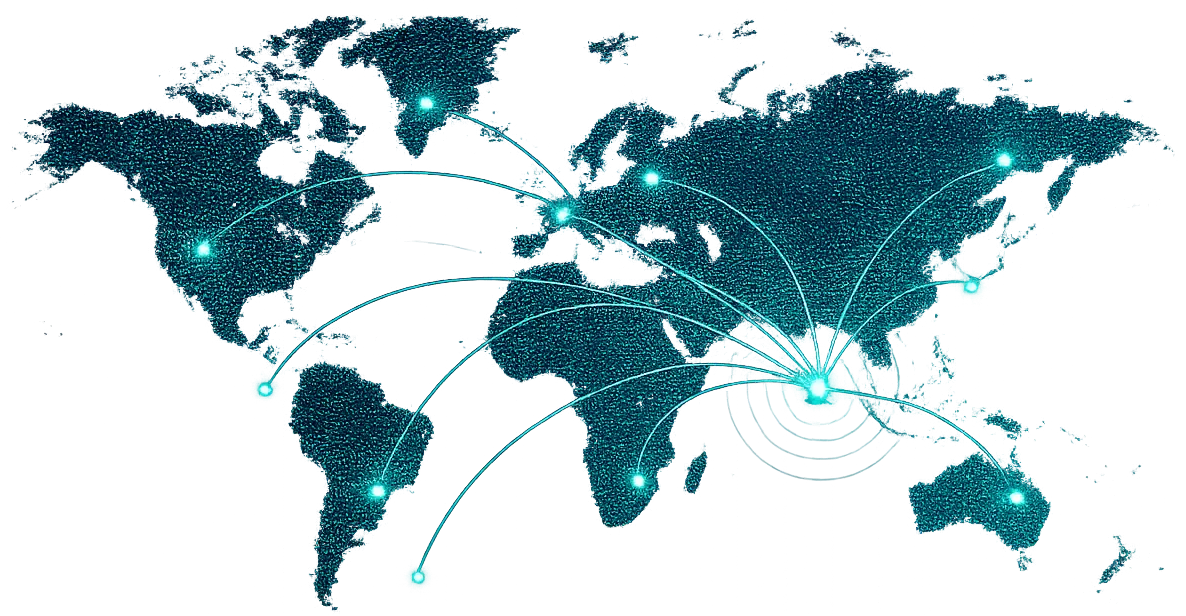
SmokeFree.SG remains focused on Target 28 for Singapore. Global partners operate independently in their own countries.
One for all.
Clean air for all.
Get campaign updates, stories, and ways to take action.
We respect your privacy. Unsubscribe anytime.